Archive Case Study

House Designer SEO Case Study

Turning Room Designs Into a Store Front Door

Online home design studio, UK

Engagement 2019 to 2023

House Designer designs British homes online, inside and out, from living rooms to gardens, and is the sister brand of Office Designer. For a spell it also sold the finishing pieces its designs called for, sofas and side tables, faux flower arrangements, styling accessories, through a WooCommerce shop. That shop was one chapter of a search programme that lasted from 2019 to 2023.

The studio later dropped the shop in favour of design consultations only, so the store in this account no longer exists online, and its analytics closed with the engagement. What follows is the store as it was built. Our founder records the same project on nizamuddeen.com.

Nizam Ud Deen - SEO Observer
Nizam Ud Deen

CEO @ ORM Digital Solutions
(SEO Specialist)

10+ years experience

The Studio at a Glance

The store, the programme around it, and the years it ran.

Shop the Look

Complete room designs rebuilt as pages that carry readers into the products that create them.

WooCommerce

The store platform, run beside the design consultation service.

2019 to 2023

A four-year engagement; the store was one phase of it.

UK Market

Home design and decor buyers across the United Kingdom.

Content to Commerce

Inspiration pages linked down into category and product pages.

Store Now Closed

The studio now works by consultation only; no data from the store period remains available.

Round-Logo
What It Shows

What This Case Shows

Home design pulls in visitors who want ideas, and ideas rarely turn into orders on their own. Browsers outnumber buyers by a wide margin. This case is about building the path from browsing to buying.

  1. Inspiration is an asset only if it leads somewhere. A beautiful room page that ends at the picture sells nothing.
  2. People search for a look. Scandi open plan, a Nordic sitting room, a glam room on a budget: each is a search, and each can be a page.
  3. Categories should follow how buyers search, not how the stock arrived.
  4. A store behind a service business needs its own channel, or it competes with consultation enquiries for attention.
  5. The account is qualitative. The shop is gone and its numbers were never ours to keep.
House Designer logo, UK online home design studio

The Studio and the Store

House Designer designs homes online: interiors, gardens and exteriors, delivered as a design service. During this engagement it also sold the furnishings and decor that its designs used.

  • A design service covering interior, garden and exterior work
  • A WooCommerce shop for the furniture, faux florals and accessories its rooms used
  • Strong room designs and photography already on the site
  • A sister brand, Office Designer, doing the same for commercial space
  • A United Kingdom market of homeowners looking for ideas

The site had the harder half already. It did not have the half that turns a visitor into a buyer.

Why Inspiration Did Not Convert

People came to the site to look at rooms. The rooms were good. Then the visit ended, because nothing on the page led to the products in the picture.

  • No path from a room design to the pieces that made it
  • Product and category pages not built to be found in search
  • The catalogue competing with consultation enquiries for the same attention
  • A category structure shaped by how stock arrived, not how buyers look
  • Editorial pages that ranked for looks but converted into nothing

The fix was not more inspiration. It was structure: making the inspiration the entrance to the store.

Card: people arrive to look, not to buy
Card: Shop the Look, room pages that link to their products

Shop the Look as a Commerce Engine

The best thing the studio owned was its finished rooms. As articles they were pleasant to read. Rebuilt as landing pages, they became the way into the shop.

  • Rooms in named styles, among them a Scandinavian open-plan space, a rust-toned autumn lounge and a Nordic sitting room
  • A glamorous lounge built to a fixed budget, and a Scandinavian study
  • Each room written around the phrase people type when they want that style
  • Each room linking to the exact pieces that furnish it
  • Inspiration traffic carried into the catalogue instead of ending at the picture

A reader who likes a room can now buy the room. That is the whole idea, and it was built page by page.

Free Audit Call

Could Your Site Do the Same?

Book a free 20 to 30 minute call on Zoom, Google Meet or WhatsApp. We look at your site, your Search Console and the businesses ranking above you, then tell you what would move first.

Prefer to talk now? Call +92 300 6456323. Quotes are shared on WhatsApp once we have seen your numbers.

Product and Category Work

The room pages bring buyers in; the catalogue has to catch them and rank on its own.

  • Shop categories arranged by what shoppers look for, not by supplier delivery
  • Every product given its own description, complete attributes and well-handled photographs
  • Links running from articles and room pages into the shop
  • Crawl and speed fixes on the shop’s templates
  • Pages aimed at style and purchase searches rather than the studio’s own name

Shop pages written like this can be found in their own right instead of waiting for a room page to send visitors.

Card: categories built the way buyers search
Card: four years of technical, content, authority and local search work

The Four-Year Search Programme

The store was one phase. Running alongside it for the length of the engagement was the wider search programme.

  • Site-wide technical fixes and page-level optimisation
  • Research into how homeowners search, and a content plan built on it
  • Earning links from relevant home and design sites
  • The studio’s Google profile and its local listings
  • Monthly tracking in the studio’s own Analytics and Search Console

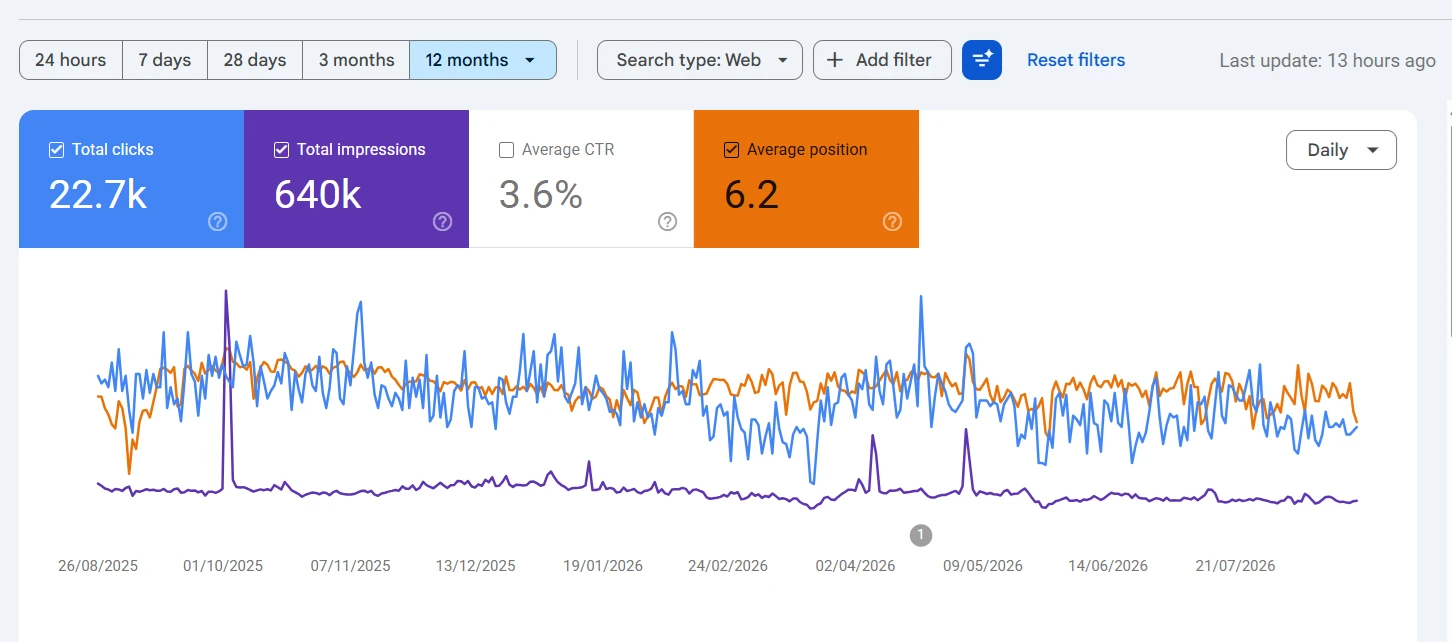
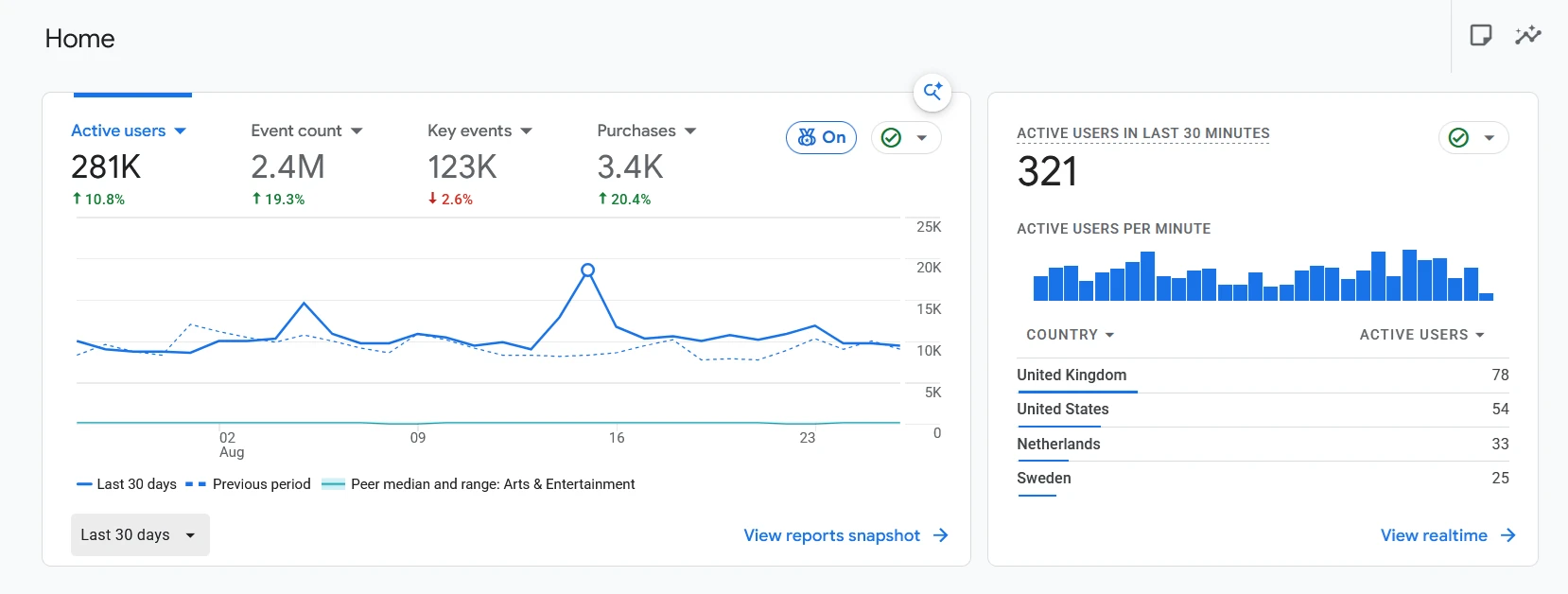
The studio kept those reports when the work ended in 2023, which is why the story here is told in methods rather than graphs.

What the Store Became

By 2023 a reader who admired a room could click straight through to the pieces in it, and the shop pages held their own in search.

  • Room pages that lead to the products in the room
  • Shop pages able to rank without a room page behind them
  • A programme of technical, content, link and local work running under the whole site
  • The studio has since closed the shop and sells design time instead
  • No charts, since the studio’s analytics are its own

If your store has beautiful content that does not sell, the method is on our ecommerce SEO service page.

Card: engagement 2019 to 2023, archive project

We are here to answer all your questions

Questions about this case study.

Two reasons. The studio’s analytics stayed with the studio when the programme ended in 2023, and the shop itself has since been taken down. Without the screens there is nothing we can prove, so we describe what was built instead.

Complete room designs used as the entrance to the store. Each room page targets how people search for that look and links directly to the products that create it, so a reader who likes the room can buy it.

Because people arrive to look, not to buy, and most inspiration pages end at the picture. Without a path from the room to the products, the visit ends where the sale should begin.

They are two brands of the same client, worked over roughly the same period. Office Designer applied the same thinking to commercial buyers, where the challenge was business-to-business purchasing rather than inspiration.

Yes. Lahore and Karachi furniture and decor brands often have strong photography and weak paths to purchase. Room and style pages that link to the products, with categories built around how buyers search, apply directly.

In our founder’s portfolio at nizamuddeen.com, alongside the Office Designer record. This account is ORM’s own.

Beautiful Content That Does Not Sell?
Let us Build the Path!